For municipalities in Spain & Italy
A new beginning for Europe's shrinking villages.
Rural Help brings groups of remote workers to villages affected by depopulation — creating temporary communities that spend locally, connect with residents and help open new economic opportunities.
- No municipal budget is required.
- We bring the people. The community keeps the value.
First editions: Spring 2027. Applications open until 31 January 2027.
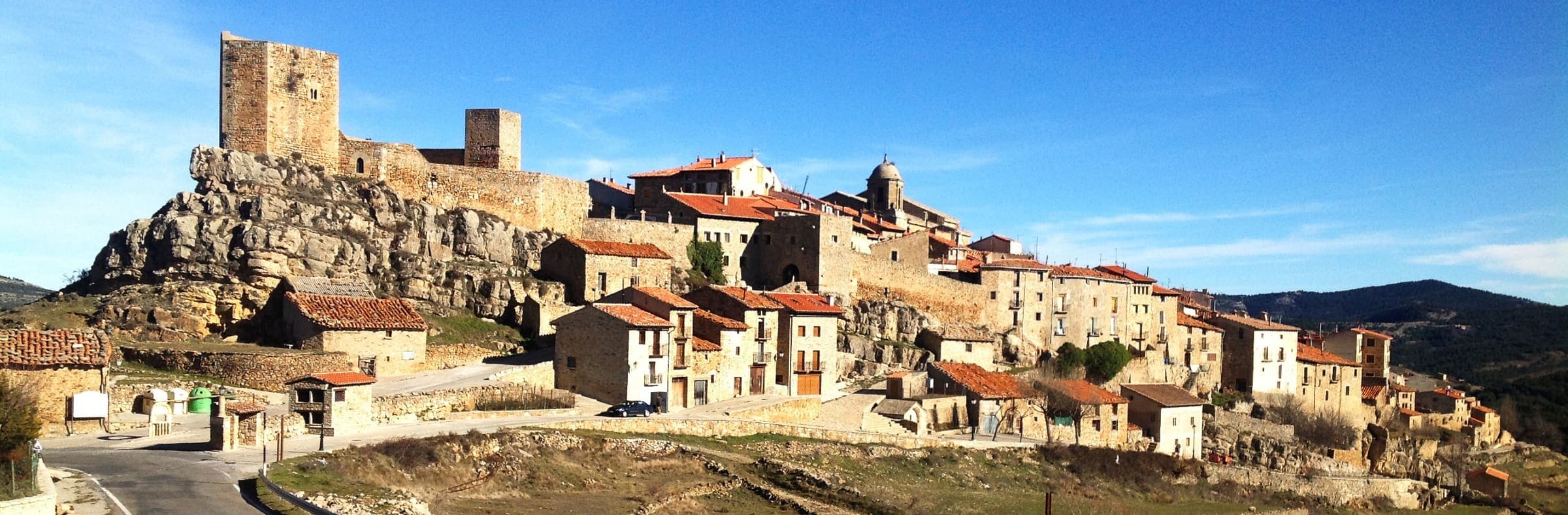
Europe's villages are disappearing.
Across rural Europe, thousands of villages are losing population.
- Young people leave.
- Businesses lose customers.
- Homes remain empty.
- Local traditions disappear.
And with every person who leaves, it becomes harder for the community to recover.
Every mark is a household. In villages across rural Spain and Italy, most of them are gone.
It already has a name
La España Vaciada.
The emptied Spain — the inland provinces that have lost people for seventy years. Italy maps the same territory as le aree interne, the inner areas.
Rural Help was created to help interrupt that cycle. Not through mass tourism. Not through large development projects. But by bringing people back — even if, at first, only for a few weeks.
What if 20 people came back?
Twenty-two people, for two weeks. Not a solution — a start.
Imagine 20–30 people living in your village for two weeks or a month.
- They work remotely during the day.
- They stay in local accommodation.
- They buy groceries from the local shop.
- They drink coffee at the bar.
- They eat at local restaurants.
They join cooking classes, harvest crops, taste local wine, learn traditional recipes, take part in village celebrations and meet the people who live there.
For a few weeks, they are not simply tourists. They become temporary residents.
Two formats, built around your village.
Rural Help creates temporary remote-working communities in villages experiencing population decline.
Workation
10–14 daysA group of approximately 20–30 remote workers stays in the village while working online and participating in a programme of local experiences.
Pop-up Coliving
Around one monthParticipants live and work from the village for a longer period, creating deeper relationships with the community and a greater economic impact.
One village. Different seasons. Different reasons to return.
Every community has its own calendar. An olive-growing village may host a gathering workation in autumn. Another may build an edition around a spring flower festival. Another around wine, harvest, local food, nature, crafts or village celebrations.
The programme should not be imported into the village. It should come from the village itself.
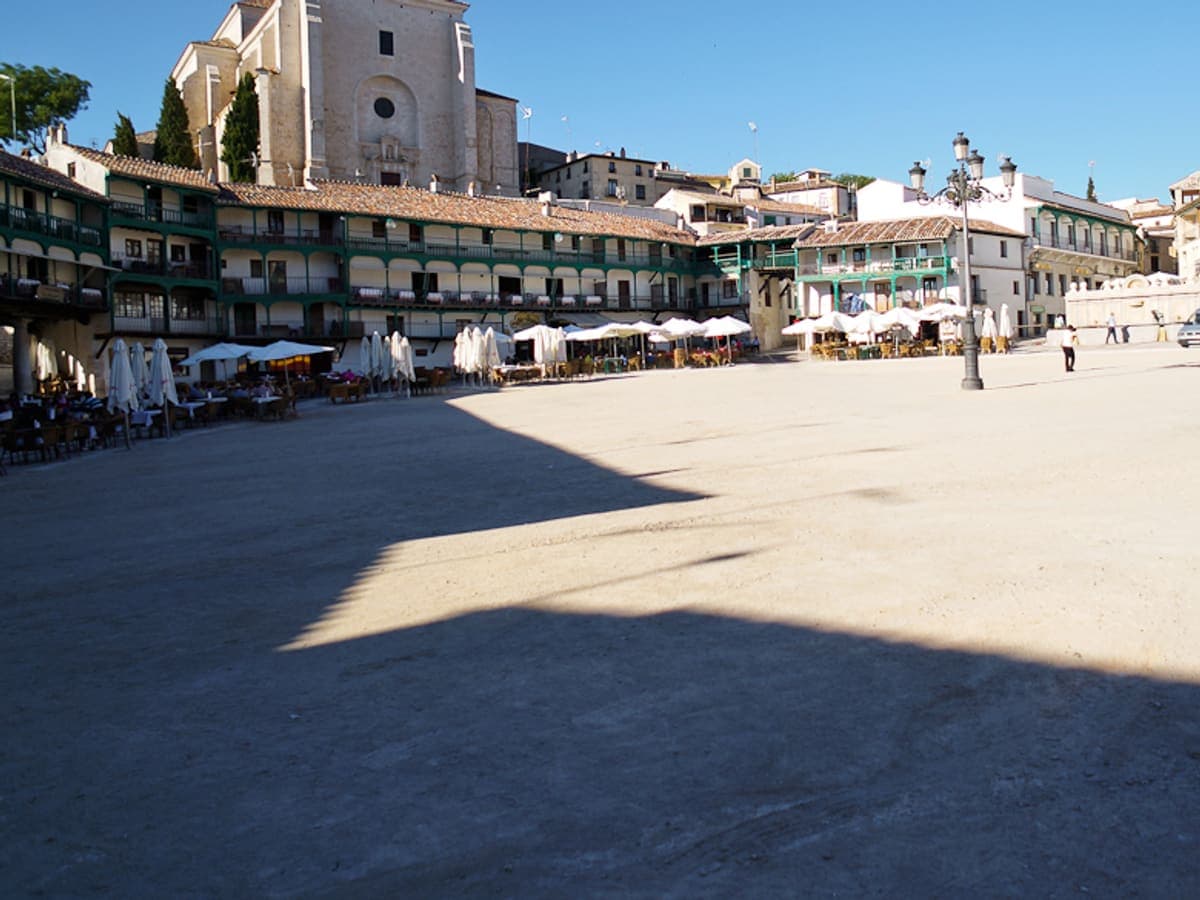
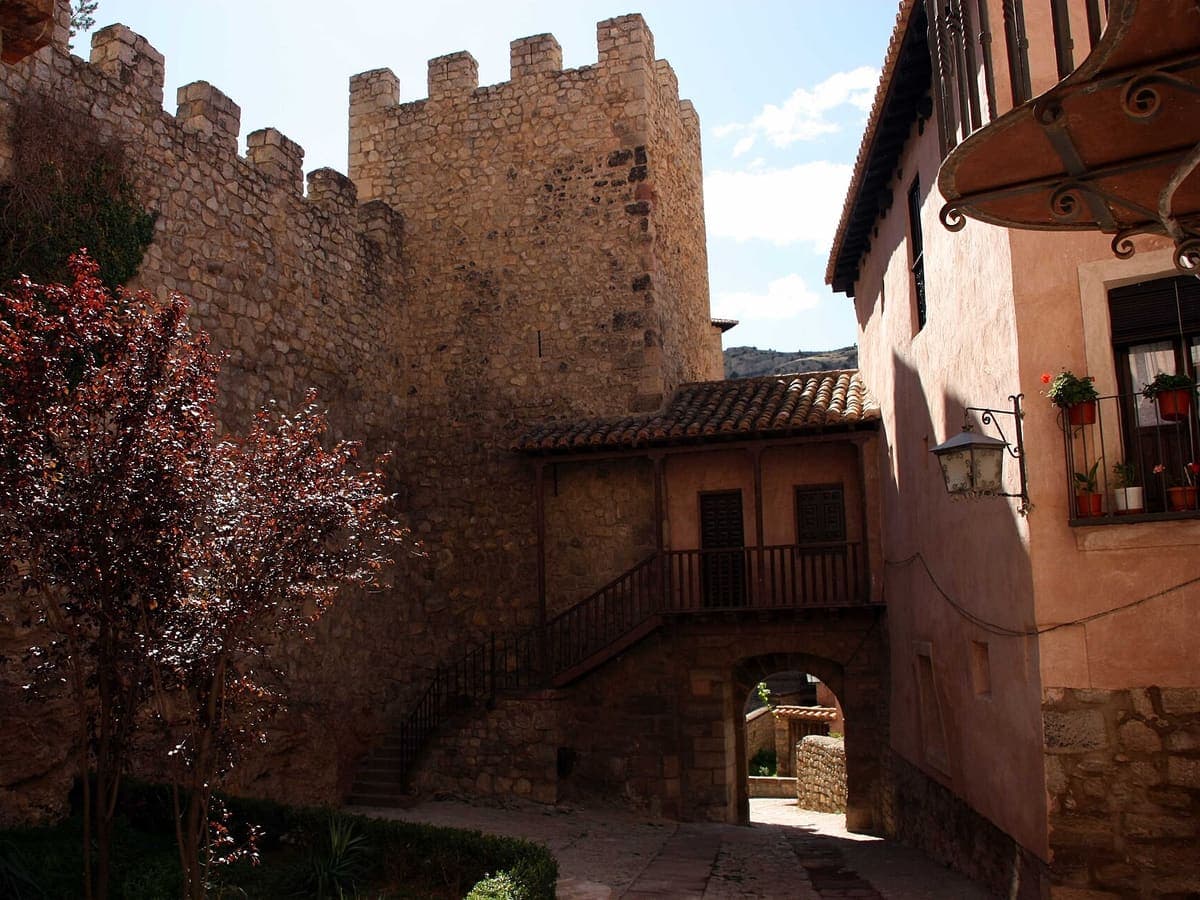
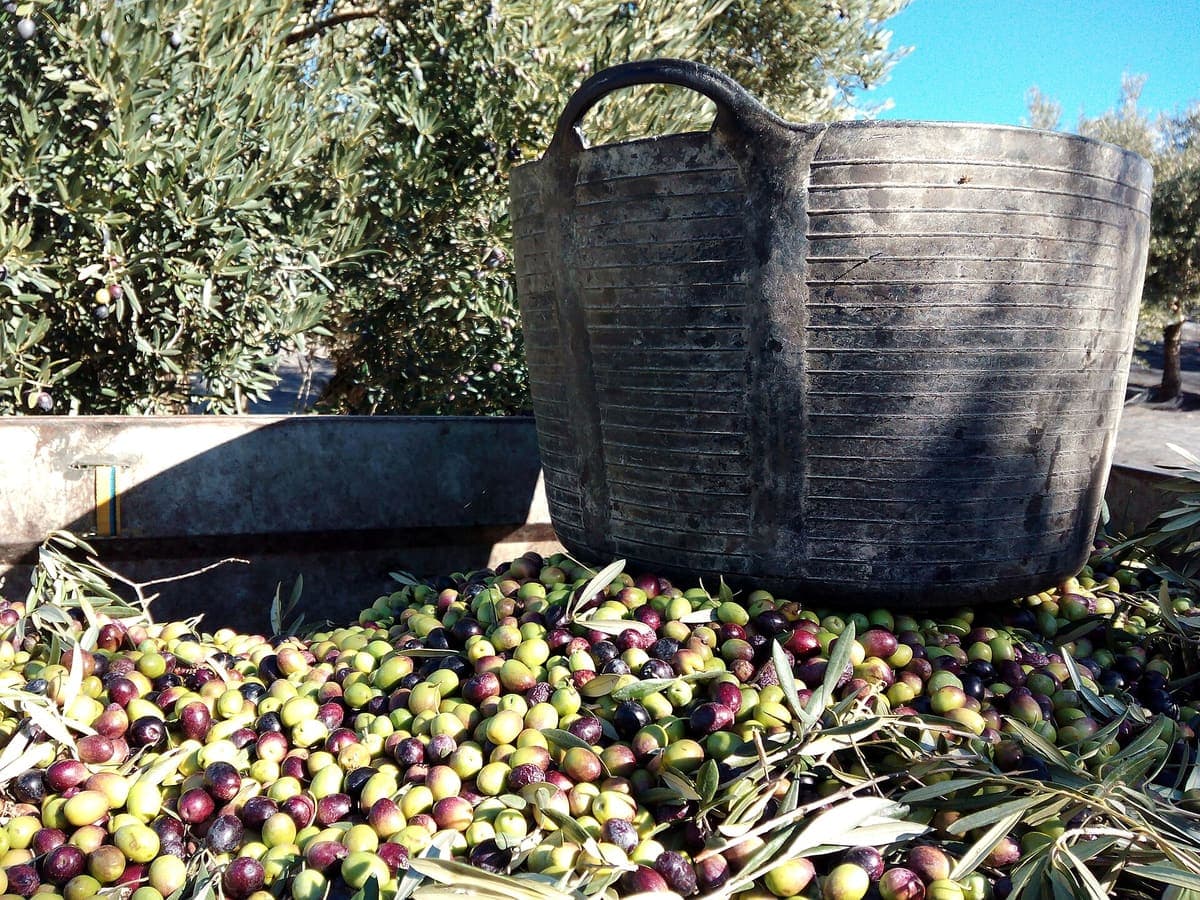
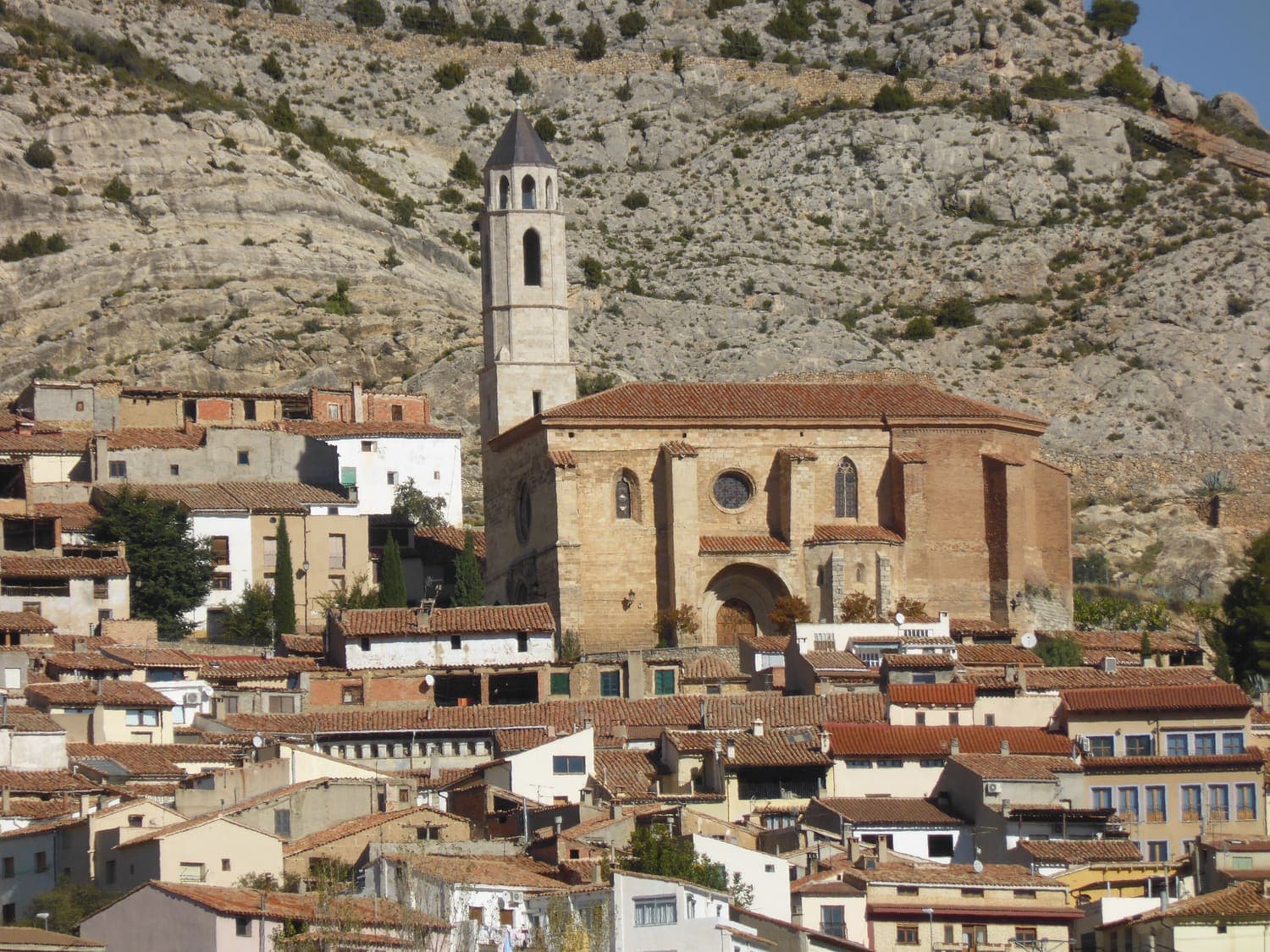
Villages in Aragón, Castile and Andalusia. We will replace these with photographs of our own editions.
Money goes directly into the local economy.
Rural Help does not ask municipalities to finance the programme. Participants fund their own stay. We coordinate payments and work directly with local accommodation providers, activity organisers and other economic operators.
During their stay, participants also spend independently in:
- local shops
- cafés and bars
- restaurants
- markets
- transportation
- local services
- cultural and leisure activities
After every programme, we work with the municipality and participating businesses to measure the economic impact generated locally.
The impact does not end when the programme ends.
The money spent during a Rural Help edition is only the beginning.
- Come
- Spend
- Connect
- Share
- Return
- Stay
People discover a place they may never have visited otherwise.
They build relationships. They tell other people about it. They share photos, stories and recommendations online.
They may return later with friends, partners or family. Some may stay for longer periods. And occasionally, someone may decide that the village could become part of their life.
Rural Help helps create the first connection. The community can take it from there.
We know the model works, because it already has.
We are not the first to try this. In the Canary Islands, the Pueblos Remotos project has been running programmes since 2021, bringing small groups of remote workers into villages such as Fuencaliente and Icod de los Vinos for stays of one to three weeks.
The European Commission's Rural Pact platform lists it as a good practice: across three villages, the programme helped create 18 new tourism products and generated over €40,000 in direct economic contribution to those rural communities.
Read the European Commission's case studyWe believe the model can go further: larger groups, more villages, and participants recruited across several countries at the same time — so that a village is not limited to whoever happens to speak its language.
Visibility for places the internet has forgotten.
Many extraordinary rural communities are almost invisible online. A Rural Help programme gives the village access to international communities of remote workers and digital nomads.
We recruit through remote-work and digital-nomad networks with a combined reach of more than 200,000 people across Europe.
Through each programme we help tell the story of the village, its people, traditions, businesses and opportunities. That visibility can continue creating value long after participants leave.
Regeneration, not gentrification.
Sometimes a temporary stay becomes a longer relationship. Participants who want to return for several months can be connected with local landlords and trusted partners. Those interested in making the village their home can be introduced to local real-estate opportunities, renovation projects or businesses looking for a new owner.
The objective is not speculation. And it is not to turn villages into tourist resorts.
The goal is to help communities become economically sustainable while protecting the identity, affordability and everyday life that make them worth preserving.
We do not want thousands of tourists passing through. We want the right people to discover a place, care about it and perhaps one day become part of it.
What Rural Help brings.
We organise and promote the programme. Rural Help is responsible for:
Participants
We recruit remote workers through international communities and networks.
Programme design
We build each edition around the village, the season and the experiences available locally.
Coordination
We manage participant communication, contracts and programme logistics together with the local host.
Local economic activity
We contract and pay participating local operators for the services included in the programme.
International visibility
We promote the village and its editions to remote-working communities.
Impact measurement
Together with the municipality and local businesses, we measure the economic activity generated by each edition.
What we need from the village.
Rural Help programmes are built together with the local community. We need a municipality and local partners willing to help us identify what the village can offer.
Reliable high-speed internet
RequiredRemote workers need to work. Without reliable internet, we cannot organise a programme.
Accommodation
RequiredIdeally around 20 or more suitable places. For workations these are usually licensed tourism accommodations. For longer coliving editions, private homes and apartments available for monthly rental may also be considered where legally possible.
A place to work
RequiredA shared room, community space or existing coworking facility that can be used during the programme.
Basic local services
RequiredAt least a grocery shop and a bar, café or restaurant. Experiences and additional services can also involve neighbouring villages.
Local experiences
Food, agriculture, crafts, nature, traditions, local celebrations and everyday village life can all become part of the programme.
A local host
RequiredOne person who knows the community and can coordinate directly with Rural Help, the municipality, local businesses and participants. This person is essential to making each programme work.
Who can apply?
Anyone who believes their village could benefit from Rural Help can submit an application. Applications are especially encouraged from:
- mayors and municipalities
- local development organisations
- LEADER local action groups
- community leaders
- tourism organisations
- local entrepreneurs
- residents willing to act as a local facilitator
The strongest applications usually have someone locally who is motivated to move the project forward and has a direct relationship with the municipality.
What happens after you apply.
- 01
Tell us about your village
Complete the initial application. We ask about population decline, accommodation, internet connectivity and local services.
- 02
Map the local opportunities
If the village appears suitable, we send a more detailed questionnaire. Together we identify local businesses, accommodation providers, restaurants, producers, activities, points of interest, traditions, festivals and seasonal experiences.
- 03
Meet Rural Help
If there is a potential match, we schedule a conversation with the local team and the municipality.
- 04
Verify the conditions
Together with the local partner we verify accommodation, internet connectivity, working facilities and programme logistics.
- 05
Choose a local host
We identify the person who will act as the main link between Rural Help and the community.
- 06
Create the first pilot
We choose the right period, build the programme and launch the first edition in your village.
- 07
Measure what happened
Afterwards we collect feedback from participants, businesses and the municipality, and measure the local economic impact. If it works for everyone, we plan future editions.
A small group can start something bigger.
Rural Help will not solve rural depopulation with one group of remote workers.
But starting with 20 people, we can fill empty rooms. They can create customers for businesses that need them. They can make a quiet street feel alive. They can discover a restaurant, a tradition or a landscape and tell thousands of others about it. They can come back.
And sometimes, one of them might decide to stay.
Real change does not always start with hundreds of people. Sometimes it starts with twenty.
Your village may be shrinking. Its story doesn't have to end here.
If your community is losing population but still has the infrastructure, the people and the desire to create a new chapter, we want to hear from you.
Bring us the village. We'll help bring the right people.
Apply your village to Rural HelpApplications for the Spring 2027 pilot editions close on 31 January 2027.